

How to Choose Quartz Stone for a Beautiful, Durable Worktop
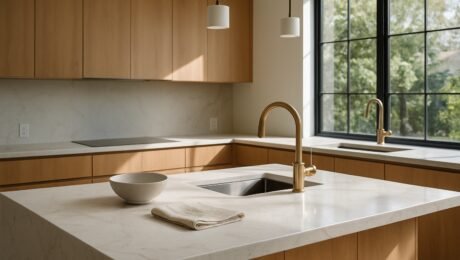
Choosing the right surface starts with understanding how to select quartz stone for beautiful worktops without compromising durability, maintenance, or fit. The best quartz countertop for your kitchen or utility space should match your cabinet color, withstand daily wear, and suit your lighting, layout, and budget. In the next few minutes, you’ll learn what to check in a slab, which performance details matter most, and how to avoid common mistakes that make a worktop look disappointing after installation.
- Focus on slab appearance, not just the sample, because veining and tone can vary.
- Check thickness, finish, edge options, and stain resistance before you commit.
- Ask for fabrication details, warranty terms, and low-emission certification when needed.
- Compare quartz against your real use case: cooking, family traffic, and lighting.
What should you look for first in a quartz slab?
Start with the visual characteristics that will define the room. Quartz stone is engineered from natural quartz crystals and resin, so each collection has its own balance of pattern, movement, and color consistency. Look at a full slab, or at least several large samples, because small chips can hide the real scale of the veining and the way the surface reads across a long island.
Pay attention to undertones as well as the main color. A white quartz worktop can lean warm, cool, or gray, and that shift affects how it pairs with oak, walnut, painted cabinets, and splashbacks. In bright daylight, subtle differences become more obvious, so view samples in the same room where the countertop will be installed.
Which performance features matter most for a busy kitchen?
Beautiful quartz should also behave well under daily use. For most homeowners, the main advantages are low porosity, easy cleaning, and strong stain resistance. That makes quartz a practical choice for worktops in kitchens, laundry rooms, and family spaces where spills and fingerprints are unavoidable.
Ask your supplier about scratch resistance, heat tolerance, and the recommended cleaning products. Quartz is durable, but it is not indestructible. Hot pans, abrasive pads, and harsh chemicals can damage the resin binders or dull the surface over time.
How do thickness and finish change the final look?
Thickness affects both the visual weight and the installation style. Common options include 20mm and 30mm slabs, and each creates a different profile once edge detailing is added. A thicker worktop can feel more substantial in a large kitchen, while a thinner slab can look cleaner and more contemporary.
Finish also matters. Polished quartz gives a crisp, reflective surface that works well in modern kitchens, while honed or matte finishes create a softer, more architectural look. If your room gets strong natural light, a less reflective finish can reduce glare and make the surface feel calmer.
How do you choose a quartz design that looks expensive, not busy?
The most successful quartz worktops usually support the room rather than dominate it. If your cabinets already have strong grain, colored fronts, or dramatic hardware, a quieter quartz pattern often looks more refined. If the space is simple and minimal, you can use stronger veining or a marble-look design to add movement without sacrificing easy care.
Consider the full composition: cabinet color, flooring, wall paint, tap finish, and backsplash tile. A white-and-gold quartz design can look premium in a warm scheme, while a soft gray or pale taupe slab may be better for cooler interiors. Sample boards are helpful, but full-room mockups or digital renderings are even better for avoiding clashes.
What should you ask before you buy?
Before ordering, confirm the practical details that affect long-term satisfaction. Ask where the slab was manufactured, whether the pattern is consistent across the full sheet, and what joints will be visible in your layout. Also check the warranty, because coverage terms vary by brand and may exclude issues caused by incorrect installation or unsupported overhangs.
If air quality matters in your project, ask for low-emission documentation and check whether the product has third-party certification such as UL GREENGUARD certification criteria. That step is especially useful for enclosed kitchens, renovation projects, and households that want additional reassurance about indoor emissions.
How can you compare options with real-world examples?
Use your daily routine as the test. A family kitchen with frequent cooking and school bags needs a forgiving quartz design with good stain resistance, a forgiving finish, and edge details that won’t chip easily. A showpiece island in an open-plan living space can justify bolder veining, bookmatched placement, or waterfall edges if the room has enough visual breathing space.
Industry experts consistently advise evaluating stone in the exact environment where it will be used, because lighting, adjacent finishes, and slab variation change the final result more than many shoppers expect. That is why the best choice is rarely the prettiest sample alone; it is the slab that still looks right after fabrication, installation, and years of use.
When you are ready to buy, shortlist two or three quartz options, view full slabs in natural light, and ask your fabricator to explain the seam plan, sink cutout, and edge profile before you sign off. That simple process gives you a worktop that looks intentional on day one and still feels easy to live with years later.
- Published in Worktops
How to Select Quartz Stone for Beautiful Worktops

Choosing quartz stone is easier when you focus on the finished room, not just the slab in the showroom. If you want to know how to select quartz stone for beautiful worktops, this guide shows you what to compare before you buy: colour depth, veining, finish, thickness, edge options, seam planning, and day-to-day upkeep. The right choice should look natural in your kitchen and still handle spills, traffic, and cleaning with minimal fuss.
Key Takeaways
- Always inspect a full slab or large sample in real lighting before ordering.
- Choose thickness, finish, and edge detail to match both style and use.
- Ask about fabrication quality, seam placement, and heat protection before installation.
What should you inspect before you fall in love with the colour?
Start with the slab itself, not a tiny sample. Quartz can look very different once pattern movement, resin clarity, and reflective polish appear across a full worktop, especially under daylight and under-cabinet lighting. If possible, view the slab in person and compare it with your cabinet finish, splashback, and flooring.
Look closely at the tone. Some whites lean warm, others cool or grey, and that undertone will influence the whole kitchen. If you want a calm, timeless result, choose a quartz pattern with soft contrast and restrained veining rather than a busy design that may dominate the space.
Which quartz features matter most for a worktop that lasts?
Thickness, finish, and fabrication details matter as much as colour. Common quartz slab thicknesses are 20mm and 30mm, and the choice affects both the visual profile and the sense of weight. A slimmer edge feels sleek and modern, while a thicker profile can read more substantial and traditional.
Is 20mm or 30mm better?
Choose 20mm if you want a lighter-looking kitchen, a contemporary edge, or a design where the worktop should stay visually quiet. Choose 30mm if you want a bolder, more grounded appearance or a deeper edge detail. The best option is the one that matches your cabinet style, appliance lines, and overall budget, because the more complex the fabrication, the more important the installer’s skill becomes.
Finish also changes performance and appearance. Polished quartz reflects more light and makes colours look sharper, while honed or matte surfaces feel softer and more architectural. Quartz is non-porous, which helps with routine cleaning, but it is still sensible to use trivets for very hot pans and avoid harsh chemicals that can dull the surface over time.
How do you match quartz to cabinets, flooring, and lighting?
Beautiful worktops do not rely on a single feature; they balance the room. If your cabinets are warm oak or beige, a quartz with cream, taupe, or gentle gold veining often feels cohesive. If your kitchen is handleless, monochrome, or minimalist, a cooler white or greige quartz can keep the look crisp.
Consider how light moves through the room. A polished quartz surface can brighten a darker kitchen, but too much reflectivity in a sun-filled space may feel busy. For large islands, broader veining or subtle linear movement can create a statement; for smaller rooms, fine-grain quartz usually looks cleaner and more spacious.
What supplier questions reveal real quality?
Ask to see the exact slab or a large section of it, not only a brochure sample. Request a written specification that confirms thickness, finish, and any factory-applied treatment, and ask how seams will be placed around sinks, corners, and cooktops. Good suppliers also talk openly about templating, support requirements, and edge options before you commit.
Fabrication matters too: the CDC/NIOSH notes that cutting and finishing engineered stone can release respirable crystalline silica, so ask whether your fabricator uses wet-cutting and extraction systems; see the NIOSH guidance on controlling respirable crystalline silica during stone fabrication.
What should a good installation plan include?
A strong plan covers seam visibility, sink cut-outs, overhang support, and backsplash alignment. Ask how the fabricator will reduce visible joins in the most exposed areas, especially on long islands or waterfall ends. Small decisions here make a major difference to the final result.
What does a smart quartz choice look like in practice?
For a compact kitchen, a soft-white quartz with subtle veining keeps the room bright without visual noise. In a larger space, a darker quartz with linear movement can anchor an island and disguise everyday marks better. Designers often pair high-contrast quartz with simple cabinet fronts so the stone stays the focal point rather than competing with busy joinery.
Think about maintenance in the same way you think about style. If your household cooks daily, a forgiving pattern and a finish that does not show every crumb will feel better than a dramatic stone that demands constant wiping. If the kitchen is more of a showpiece, you can prioritise visual impact and choose a bolder slab with stronger movement.
Before you order, compare at least two full slabs in your own lighting, confirm seam locations on the template, and ask for a sample edge profile. That final check prevents most disappointment and helps you choose quartz stone that looks intentional, not just expensive.
- Published in Worktops
How to Select Quartz Stone for Beautiful Worktops in 2026
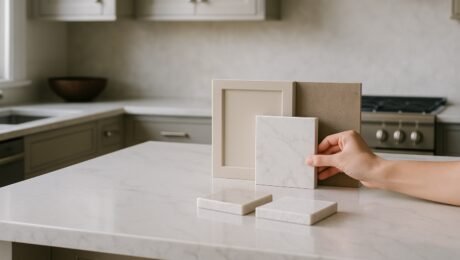
If you are comparing surfaces and want to know how to select quartz stone for beautiful worktops, focus on three things first: how the slab looks in your real lighting, how it will perform in daily use, and whether the supplier can prove consistent quality. In 2026, the smartest choice is not just the prettiest sample in the showroom. It is the quartz surface that still looks elegant after years of cooking, cleaning, and sunlight.
- Choose quartz by viewing full slabs or large samples in your own lighting.
- Balance color, veining, finish, and edge profile with your kitchen style.
- Ask about heat limits, stain resistance, warranty, and installation quality.
- Compare quotes on slab grade and fabrication details, not price alone.
What makes quartz stone the right worktop material?
Quartz stone is an engineered surface made from natural quartz particles and resin binders, which gives it a refined look and predictable color consistency. For many homes, that combination is the main advantage: it delivers the visual depth of stone with easier day-to-day maintenance than many porous materials.
It is also popular because it fits both modern and classic interiors. You can find designs that mimic marble, soft concrete, or fine-grain stone, so the surface can support the room rather than dominate it.
Which quartz color and pattern will still look beautiful after the trend changes?
Start with the overall tone of the kitchen or bathroom, not the countertop alone. Warm whites, soft greys, and subtle beige stones usually age better than highly patterned surfaces because they work with more cabinet colors and flooring choices.
If you want a statement surface, choose stronger veining or darker tones only when the rest of the room is restrained. In small spaces, dramatic patterns can look busy fast, while a quieter slab often makes the room feel larger and more expensive.
Should you choose bold veining or subtle movement?
Bold veining creates a premium focal point, especially on large islands and waterfall edges. Subtle movement is safer if you want the worktop to feel calm and flexible across changing décor. A good rule is to let one feature lead: if the cabinets are already detailed, keep the quartz stone restrained.
What finish and edge detail create a high-end look?
Finish changes the mood of the room almost as much as color. A polished quartz surface reflects more light and feels crisp and contemporary, while a honed or matte finish softens the appearance and hides fingerprints better in busy family spaces.
Edge profile matters too. Simple eased or square edges suit modern interiors, while pencil, ogee, or bullnose profiles feel more traditional. For a premium result, keep the edge consistent with cabinet style, tap finish, and splashback design.
How do you judge quartz quality before you buy?
Do not rely on a tiny sample alone. View the full slab if possible, because pattern repetition, resin distribution, and color variation are easier to spot at scale. This is especially important if you are using more than one slab for a long island or L-shaped kitchen.
Ask the supplier about thickness, seam placement, and how the slab is cut around sinks and cooktops. A well-fabricated worktop can look far more luxurious than a premium slab that is poorly measured or badly joined.
Also ask how the fabricator handles cutting and polishing dust. Quartz fabrication can create respirable crystalline silica, so professional shops should follow strong control measures; OSHA’s respirable crystalline silica guidance is a useful reference point when you want to judge whether health and safety are being taken seriously.
Which practical features matter most for everyday use?
For most buyers, stain resistance, heat awareness, and cleaning simplicity matter more than rare technical claims. Quartz is generally non-porous, which helps it resist common kitchen stains, but it is still wise to wipe spills promptly and use trivets for hot pans.
Think about how you cook. If you place heavy appliances near the edge, choose a slab thickness and support plan that suits the load. If you have young children or use the kitchen heavily, a less reflective finish may hide smudges and make the surface feel more relaxed.
How should you compare quotes without getting misled?
The lowest price often hides trade-offs in slab grade, fabrication, or installation. Compare each quote line by line: the brand or collection, slab thickness, number of seams, cutouts, edge style, delivery, templating, and fitting warranty.
Ask whether the quote includes matching up patterns across seams and around the sink. On veined quartz, that detail can make a major difference to the final appearance. A slightly higher quote is often better value if it includes more careful layout and better joint work.
What should you do before you place the order?
Bring cabinet samples, backsplash tiles, and floor references to the showroom, then compare them under both warm and cool light. Take photos in your kitchen at different times of day so you can see whether the quartz stone stays balanced in natural daylight and at night.
Before confirming, check the lead time, warranty terms, and installation date. If the slab is being used across multiple areas, confirm the exact batch number so the color match stays consistent. The best worktops are usually chosen with patience, not impulse, because the right quartz should look good on installation day and still feel right years later.
- Published in Worktops
How to Select Quartz Stone for Beautiful Worktops

If you’re researching how to select quartz stone for beautiful worktops, start with the details that affect both appearance and daily use. The best choice is not just the prettiest slab in the showroom; it is the one that fits your kitchen lighting, layout, lifestyle, and maintenance expectations. This guide shows you how to compare color, veining, finish, thickness, and fabrication details so your quartz countertop looks refined after installation, not just on day one.
Key Takeaways
- Choose quartz based on real kitchen conditions, not showroom lighting alone.
- Match slab pattern, finish, and edge profile to your cabinets, flooring, and backsplash.
- Check performance specs, certifications, and care guidance before you commit.
What should quartz do in your kitchen every day?
Beautiful worktops need to function under real-world conditions. Quartz stone, often called engineered stone, is valued because it is non-porous, consistent in color, and generally easier to maintain than many natural stones. That makes it a strong fit for busy kitchens where spills, food prep, and frequent cleaning are part of the routine.
Before you choose a slab, decide what matters most in your space. If you cook often, you may care more about stain resistance and a calm pattern that hides crumbs and fingerprints. If the kitchen is a design feature, you may want dramatic veining or a soft honed finish that reads more architectural.
How do color, veining, and finish affect the final look?
Color is the fastest way to shape the mood of a kitchen. Bright white quartz creates contrast in modern and classic interiors, while warm beige, greige, and stone-inspired tones feel softer and more forgiving. Dark slabs can look striking, but they may show dust, polish marks, and water spots more easily.
Veining should work with the whole room, not just the countertop sample. Fine veining reads understated and timeless, while bold marble-look movement can become the focal point of the kitchen. If your cabinets, flooring, or tile already have strong pattern, a quieter quartz design usually feels more balanced.
Should you choose polished, honed, or textured?
Polished quartz is the most reflective and can make a room feel brighter and more finished. Honed quartz has a softer, lower-sheen look that suits contemporary spaces and hides glare from strong daylight. Textured finishes are less common but can add depth if you want a more tactile, natural feel.
Which thickness, edge, and seam details make the biggest visual difference?
Most quartz worktops are made in common slab thicknesses, and the choice changes the final silhouette. A thicker-looking edge can make an island feel substantial, while a slimmer profile can feel lighter and more modern. Ask the fabricator how the edge will be built up, because the visible thickness may not be the actual slab thickness.
Edge profiles matter more than many buyers expect. A simple eased edge looks clean and works in almost any kitchen, while a waterfall edge, ogee edge, or mitered corner can make the installation feel more custom. For large islands, seam placement should be planned early so the pattern flows naturally and the join is as discreet as possible.
What specifications should you check before you buy?
Ask for the technical data sheet and read the care guidance, warranty terms, and heat limitations. Quartz is durable, but it is still a resin-bound surface, so performance can vary by brand, finish, and fabrication quality. If indoor air quality is important in your home, look for low-emitting products with third-party certification such as UL GREENGUARD certification for low-emitting products.
Use specs to compare like with like. Focus on stain resistance, UV guidance for sunlit rooms, and whether the manufacturer approves the surface for vertical applications such as full-height backsplashes or waterfall returns. These details are more useful than marketing language because they tell you how the material is expected to perform after installation.
How can you compare samples without getting tricked by lighting?
A small sample rarely tells the full story. Bring it home and view it in morning light, afternoon light, and evening artificial light, because quartz can shift in perceived warmth and contrast throughout the day. Place it beside your cabinet door, backsplash tile, floor sample, and paint swatch so you can judge the full palette together.
If possible, inspect a full slab or a large remnant. This is the easiest way to see whether the veining repeats in a way you like and whether the tone stays consistent across the surface. A showroom sample may look elegant on its own but feel too busy or too plain once it covers a large island.
What should you ask your fabricator before ordering?
Ask where the seams will go, how the sink cutout will be reinforced, and whether the chosen edge works with the slab thickness. Good fabrication is a major part of how quartz stone looks in the finished kitchen. Even a premium slab can look underwhelming if the seams are placed poorly or the backsplash height is awkward.
Request a written plan that covers measurement, templating, delivery, installation, and aftercare. If you’re comparing two or three options, choose the one that gives you the best balance of visual harmony, practical durability, and easy maintenance. The right quartz worktop should feel calm in daily use, suit your design style, and still look intentional when the kitchen is fully finished.
- Published in Worktops