

How to Choose Quartz Stone for Beautiful Worktops
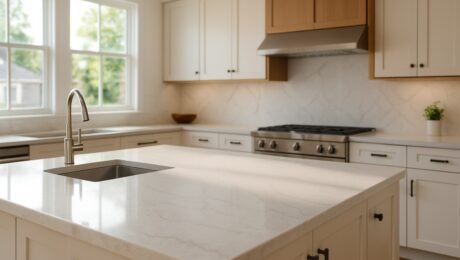
If you are comparing slabs for a kitchen or bathroom, learning how to select quartz stone for beautiful worktops comes down to three things: color that suits the room, a finish that works in daily use, and quality details that hold up after installation. This guide shows you how to judge veining, slab consistency, thickness, edge options, and maintenance so you can choose a quartz surface that looks refined in daylight and stays practical for years.
Key Takeaways
- Start with your room’s lighting, cabinet color, and flooring so the quartz feels integrated rather than isolated.
- Review a full slab, not just a sample, to judge pattern flow, repetition, and overall visual balance.
- Check thickness, finish, edge profile, and fabrication quality before you place the order.
- Ask about maintenance, warranty, and dust-safe cutting practices to protect your investment.
What should you decide before looking at samples?
Before you compare quartz samples, decide what the worktops need to do visually and practically. A busy family kitchen usually benefits from a forgiving pattern and a surface that feels calm next to appliances, splashbacks, and flooring. A showpiece island, on the other hand, may justify stronger veining or a softer, more luxurious finish.
It also helps to think about light. North-facing rooms often make cool whites look even cooler, while warm bulbs can soften grey quartz and bring out beige or greige undertones. Carry cabinet doors, paint chips, and flooring samples with you so the stone is judged in context, not in isolation.
How do color, veining, and finish shape the final look?
The most beautiful quartz worktops usually feel coordinated rather than loud. Fine veining can give a marble-inspired look without dominating the room, while evenly speckled designs create a cleaner, more contemporary surface. Dark quartz can look dramatic, but it works best when the room has enough natural light and lighter elements to stop the space feeling heavy.
Finish matters just as much as color. Polished quartz reflects more light and can look crisp and modern, while a honed or matte finish reads softer and more understated. If you want the worktop to blend in, choose a low-contrast pattern; if you want it to lead the design, use a slab with clearer movement and more visible detail.
Why full-slab viewing matters
Sample chips are useful for comparing color, but they do not show how the pattern behaves across a large island or a long run of cabinets. Because quartz is engineered, the repeat pattern, aggregate size, and resin blend can look different once the design stretches over a full slab. Ask to see the exact batch you will receive and, if possible, place the slab upright so you can judge the movement from a normal standing distance.
A marble-look quartz with soft grey veining may feel elegant on a sample board, yet read busier across an entire kitchen. A more restrained design often looks richer in real homes because it supports the other finishes instead of competing with them.
Which quality details should you check before buying?
Engineered quartz is made from natural quartz particles bound with resin and pigments, so manufacturing quality matters. Look for even color distribution, consistent finish, and a surface that does not show pinholes, cloudy areas, or obvious filler patches. Those issues may not show up in a small sample, but they become noticeable once the worktop is installed under strong task lighting.
Choose the right thickness and edge profile
Quartz is commonly available in 2 cm and 3 cm thicknesses. A thicker slab often feels more substantial and architectural, while a thinner slab can be economical and still look elegant when fabricated well. If you want a chunky appearance without the extra weight, a mitered edge can create that effect cleanly.
Edge profile also changes the style of the room. Rounded edges feel softer and more traditional, while square or eased edges look sharper and more contemporary. Match the edge to the cabinets and hardware so the design feels intentional.
Is quartz practical for real kitchens and bathrooms?
Quartz is popular because it is non-porous, which makes it easier to clean than many porous natural stones. That low porosity is useful around sinks, splash zones, and busy prep areas where spills happen often. For most households, a mild cleaner and a soft cloth are enough for routine care.
It is still smart to treat quartz as a durable surface, not an indestructible one. Use trivets for hot cookware, cutting boards for knives, and gentle cleaners rather than abrasive pads. If you want a surface that looks polished with minimal effort, quartz is a strong choice; if you want a worktop that can take direct heat, that is a different brief.
What should you ask the fabricator before you commit?
The best quartz choice can still disappoint if fabrication is poor. Ask where seams will land, how sink cutouts will be supported, and whether the installer has experience with waterfall ends, integrated splashbacks, or mitred corners. A careful template and precise installation usually matter more than a small difference in shade.
If cutting or polishing is part of the project, choose a shop that treats dust control seriously; OSHA’s crystalline silica guidance for fabrication and cutting is a credible reference point when you ask how the work will be handled. You should also request the care sheet and warranty in writing so you know exactly what is covered after installation.
Which quartz styles suit different rooms?
In compact kitchens, a soft white quartz with delicate movement can help the room feel brighter and more open. In open-plan spaces, a warmer veined design can connect the island to timber flooring, dining furniture, and painted joinery. If the rest of the room already contains strong textures, a quieter quartz slab usually looks more expensive because it creates visual rest.
For bathrooms, subtle stone-look quartz pairs well with mirrors, taps, and vanity units without stealing attention. In family kitchens, lightly speckled or softly textured surfaces often hide crumbs and fingerprints better than very high-contrast patterns, which can keep the room looking tidy between deep cleans.
Before you order, compare the actual slab against your cabinet doors, flooring, and lighting at different times of day. If the quartz still feels balanced in natural light, under warm evening bulbs, and across the full run of counters, you are probably looking at a surface that will stay beautiful long after the installation is finished.
- Published in Worktops
How to Select Quartz Stone for Beautiful Worktops in 2026
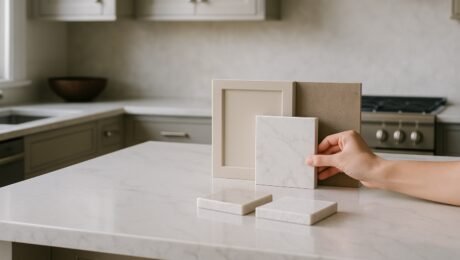
If you are comparing surfaces and want to know how to select quartz stone for beautiful worktops, focus on three things first: how the slab looks in your real lighting, how it will perform in daily use, and whether the supplier can prove consistent quality. In 2026, the smartest choice is not just the prettiest sample in the showroom. It is the quartz surface that still looks elegant after years of cooking, cleaning, and sunlight.
- Choose quartz by viewing full slabs or large samples in your own lighting.
- Balance color, veining, finish, and edge profile with your kitchen style.
- Ask about heat limits, stain resistance, warranty, and installation quality.
- Compare quotes on slab grade and fabrication details, not price alone.
What makes quartz stone the right worktop material?
Quartz stone is an engineered surface made from natural quartz particles and resin binders, which gives it a refined look and predictable color consistency. For many homes, that combination is the main advantage: it delivers the visual depth of stone with easier day-to-day maintenance than many porous materials.
It is also popular because it fits both modern and classic interiors. You can find designs that mimic marble, soft concrete, or fine-grain stone, so the surface can support the room rather than dominate it.
Which quartz color and pattern will still look beautiful after the trend changes?
Start with the overall tone of the kitchen or bathroom, not the countertop alone. Warm whites, soft greys, and subtle beige stones usually age better than highly patterned surfaces because they work with more cabinet colors and flooring choices.
If you want a statement surface, choose stronger veining or darker tones only when the rest of the room is restrained. In small spaces, dramatic patterns can look busy fast, while a quieter slab often makes the room feel larger and more expensive.
Should you choose bold veining or subtle movement?
Bold veining creates a premium focal point, especially on large islands and waterfall edges. Subtle movement is safer if you want the worktop to feel calm and flexible across changing décor. A good rule is to let one feature lead: if the cabinets are already detailed, keep the quartz stone restrained.
What finish and edge detail create a high-end look?
Finish changes the mood of the room almost as much as color. A polished quartz surface reflects more light and feels crisp and contemporary, while a honed or matte finish softens the appearance and hides fingerprints better in busy family spaces.
Edge profile matters too. Simple eased or square edges suit modern interiors, while pencil, ogee, or bullnose profiles feel more traditional. For a premium result, keep the edge consistent with cabinet style, tap finish, and splashback design.
How do you judge quartz quality before you buy?
Do not rely on a tiny sample alone. View the full slab if possible, because pattern repetition, resin distribution, and color variation are easier to spot at scale. This is especially important if you are using more than one slab for a long island or L-shaped kitchen.
Ask the supplier about thickness, seam placement, and how the slab is cut around sinks and cooktops. A well-fabricated worktop can look far more luxurious than a premium slab that is poorly measured or badly joined.
Also ask how the fabricator handles cutting and polishing dust. Quartz fabrication can create respirable crystalline silica, so professional shops should follow strong control measures; OSHA’s respirable crystalline silica guidance is a useful reference point when you want to judge whether health and safety are being taken seriously.
Which practical features matter most for everyday use?
For most buyers, stain resistance, heat awareness, and cleaning simplicity matter more than rare technical claims. Quartz is generally non-porous, which helps it resist common kitchen stains, but it is still wise to wipe spills promptly and use trivets for hot pans.
Think about how you cook. If you place heavy appliances near the edge, choose a slab thickness and support plan that suits the load. If you have young children or use the kitchen heavily, a less reflective finish may hide smudges and make the surface feel more relaxed.
How should you compare quotes without getting misled?
The lowest price often hides trade-offs in slab grade, fabrication, or installation. Compare each quote line by line: the brand or collection, slab thickness, number of seams, cutouts, edge style, delivery, templating, and fitting warranty.
Ask whether the quote includes matching up patterns across seams and around the sink. On veined quartz, that detail can make a major difference to the final appearance. A slightly higher quote is often better value if it includes more careful layout and better joint work.
What should you do before you place the order?
Bring cabinet samples, backsplash tiles, and floor references to the showroom, then compare them under both warm and cool light. Take photos in your kitchen at different times of day so you can see whether the quartz stone stays balanced in natural daylight and at night.
Before confirming, check the lead time, warranty terms, and installation date. If the slab is being used across multiple areas, confirm the exact batch number so the color match stays consistent. The best worktops are usually chosen with patience, not impulse, because the right quartz should look good on installation day and still feel right years later.
- Published in Worktops
How to Select Quartz Stone for Beautiful Worktops

If you are comparing options for a kitchen or utility room, this guide explains how to select quartz stone for beautiful worktops without getting distracted by showroom lighting or clever sales talk. You will learn which quartz slab details affect appearance, which features matter for durability, and how to judge a sample against your cabinets, flooring, and lighting before you commit.
Key Takeaways
- Choose quartz by viewing full slabs, not just small samples, so you can judge veining, pattern repeat, and color movement.
- Balance looks with practical details such as thickness, finish, edge profile, stain resistance, and fabrication quality.
- Check the slab under your home lighting and near your cabinet fronts to avoid unexpected undertones.
- Ask your installer about dust control, seam placement, and care instructions before the stone is cut.
What should you check first when choosing quartz for a kitchen?
Start with the room, not the stone. A busy family kitchen needs a different quartz worktop than a low-traffic breakfast bar, because the best choice depends on how much spill risk, heat exposure, and visual wear the surface will face. Think about cabinet color, flooring tone, natural light, and whether you want the worktop to blend in or become the visual focal point.
Quartz is an engineered stone, so consistency is one of its biggest strengths. That said, not every slab looks identical, especially in designs with strong veining or dramatic marbling. Ask to see the actual slab or a high-resolution slab photo before you order, because small samples rarely show the full pattern story.
Which quartz specifications affect looks and durability?
Thickness is one of the first practical details to confirm. Common quartz worktop thicknesses are chosen for both structure and style, and they affect how substantial the finished surface feels once the edge profile is added. A thicker-looking edge can create a more premium, furniture-like appearance, especially on islands and waterfall returns.
How do thickness and edge profiles change the final look?
Edge profiles can make a quartz surface look crisp, soft, modern, or traditional. Straight eased edges suit minimalist kitchens, while a slightly rounded or mitred edge can create a more finished, custom appearance. If you want the island to feel architectural, ask your fabricator whether a mitred edge is practical for the slab you chose.
Why do color and veining need to be judged in full slab form?
Color temperature matters more than many buyers expect. A quartz surface that looks warm in the showroom may read cooler beside white cabinets or under LED downlights, while a creamy slab can turn yellow if it sits next to cool-gray finishes. Full slab viewing helps you see whether the veining is calm and linear or bold and directional, which affects how busy the finished kitchen feels.
If you want a timeless result, look for quartz with moderate movement, balanced contrast, and a base color that supports your cabinets rather than competing with them. If you want a statement piece, choose a stronger pattern on a large island and keep perimeter runs quieter so the room still feels cohesive.
Should you choose polished, honed, or textured quartz?
Finish changes the mood of the room as much as the color does. Polished quartz reflects more light and usually looks brighter and more defined, which works well in smaller kitchens or darker spaces. Honed and matte finishes soften the surface visually, but they can show fingerprints and smudging differently, so ask for a demo if low-maintenance cleaning is a priority.
Textured finishes can hide minor marks well, but they are not right for every design style. If you want a smooth, contemporary surface that pairs cleanly with slab-front cabinets, polished or soft-matte quartz is usually the safest starting point.
How do you judge a slab in real life?
Ask to see the quartz in natural light and at the angle it will be viewed most often. A slab standing upright in a fabrication yard often looks different from a small sample in a showroom, especially when the stone has reflective flecks or a layered pattern. Bring cabinet doors, flooring samples, or paint swatches so you can compare undertones side by side.
Look for consistency across multiple pieces if your project needs more than one slab. Small variations are normal in engineered stone, but you want enough consistency to avoid a visible mismatch between the island and perimeter counters. If the design depends on bookmatching or vein alignment, confirm that the fabricator can lay out the slab before cutting.
What trade-offs matter for busy homes?
Quartz is valued for low porosity and easy maintenance, but it is still a finish material, not a shield. It resists many common stains well, yet spills should still be wiped quickly, and hot pans should not go directly onto the surface. If your kitchen sees a lot of cooking, choose a color and pattern that can disguise everyday crumbs, water spots, and minor smears between cleanings.
For households with children or frequent entertaining, the smartest quartz choice is usually one that combines forgiving color movement with a finish you can maintain easily. A subtle pattern in a mid-tone shade often gives the best long-term balance between elegance and practicality.
What should you ask your fabricator before ordering?
Good fabrication affects both the look and the lifespan of quartz worktops. Ask where seams will sit, how sink cutouts will be finished, and whether the edge profile can be kept consistent around corners and returns. For longer counters and islands, seam placement matters because even a beautiful slab can look awkward if the joins interrupt the pattern in the wrong place.
If cutting happens on site, make sure the installer follows proper dust controls. Quartz fabrication can generate respirable crystalline silica, and OSHA’s crystalline silica guidance for stone fabrication explains why that process needs careful control. A professional installer should be able to discuss wet cutting, extraction, and safe handling without hesitation.
The easiest way to choose well is to compare three things at once: the full slab, the room it will live in, and the way it will be fabricated. Shortlist a few quartz options, view them in your home lighting, and confirm the technical details in writing before you place the order so the finished worktop looks as good in daily use as it does on the sample board.
- Published in Worktops
How to Select Quartz Stone for Beautiful Worktops

If you’re researching how to select quartz stone for beautiful worktops, start with the details that affect both appearance and daily use. The best choice is not just the prettiest slab in the showroom; it is the one that fits your kitchen lighting, layout, lifestyle, and maintenance expectations. This guide shows you how to compare color, veining, finish, thickness, and fabrication details so your quartz countertop looks refined after installation, not just on day one.
Key Takeaways
- Choose quartz based on real kitchen conditions, not showroom lighting alone.
- Match slab pattern, finish, and edge profile to your cabinets, flooring, and backsplash.
- Check performance specs, certifications, and care guidance before you commit.
What should quartz do in your kitchen every day?
Beautiful worktops need to function under real-world conditions. Quartz stone, often called engineered stone, is valued because it is non-porous, consistent in color, and generally easier to maintain than many natural stones. That makes it a strong fit for busy kitchens where spills, food prep, and frequent cleaning are part of the routine.
Before you choose a slab, decide what matters most in your space. If you cook often, you may care more about stain resistance and a calm pattern that hides crumbs and fingerprints. If the kitchen is a design feature, you may want dramatic veining or a soft honed finish that reads more architectural.
How do color, veining, and finish affect the final look?
Color is the fastest way to shape the mood of a kitchen. Bright white quartz creates contrast in modern and classic interiors, while warm beige, greige, and stone-inspired tones feel softer and more forgiving. Dark slabs can look striking, but they may show dust, polish marks, and water spots more easily.
Veining should work with the whole room, not just the countertop sample. Fine veining reads understated and timeless, while bold marble-look movement can become the focal point of the kitchen. If your cabinets, flooring, or tile already have strong pattern, a quieter quartz design usually feels more balanced.
Should you choose polished, honed, or textured?
Polished quartz is the most reflective and can make a room feel brighter and more finished. Honed quartz has a softer, lower-sheen look that suits contemporary spaces and hides glare from strong daylight. Textured finishes are less common but can add depth if you want a more tactile, natural feel.
Which thickness, edge, and seam details make the biggest visual difference?
Most quartz worktops are made in common slab thicknesses, and the choice changes the final silhouette. A thicker-looking edge can make an island feel substantial, while a slimmer profile can feel lighter and more modern. Ask the fabricator how the edge will be built up, because the visible thickness may not be the actual slab thickness.
Edge profiles matter more than many buyers expect. A simple eased edge looks clean and works in almost any kitchen, while a waterfall edge, ogee edge, or mitered corner can make the installation feel more custom. For large islands, seam placement should be planned early so the pattern flows naturally and the join is as discreet as possible.
What specifications should you check before you buy?
Ask for the technical data sheet and read the care guidance, warranty terms, and heat limitations. Quartz is durable, but it is still a resin-bound surface, so performance can vary by brand, finish, and fabrication quality. If indoor air quality is important in your home, look for low-emitting products with third-party certification such as UL GREENGUARD certification for low-emitting products.
Use specs to compare like with like. Focus on stain resistance, UV guidance for sunlit rooms, and whether the manufacturer approves the surface for vertical applications such as full-height backsplashes or waterfall returns. These details are more useful than marketing language because they tell you how the material is expected to perform after installation.
How can you compare samples without getting tricked by lighting?
A small sample rarely tells the full story. Bring it home and view it in morning light, afternoon light, and evening artificial light, because quartz can shift in perceived warmth and contrast throughout the day. Place it beside your cabinet door, backsplash tile, floor sample, and paint swatch so you can judge the full palette together.
If possible, inspect a full slab or a large remnant. This is the easiest way to see whether the veining repeats in a way you like and whether the tone stays consistent across the surface. A showroom sample may look elegant on its own but feel too busy or too plain once it covers a large island.
What should you ask your fabricator before ordering?
Ask where the seams will go, how the sink cutout will be reinforced, and whether the chosen edge works with the slab thickness. Good fabrication is a major part of how quartz stone looks in the finished kitchen. Even a premium slab can look underwhelming if the seams are placed poorly or the backsplash height is awkward.
Request a written plan that covers measurement, templating, delivery, installation, and aftercare. If you’re comparing two or three options, choose the one that gives you the best balance of visual harmony, practical durability, and easy maintenance. The right quartz worktop should feel calm in daily use, suit your design style, and still look intentional when the kitchen is fully finished.
- Published in Worktops
How to Choose the Right Worktop Slab in 2026

If you’re researching how to select suitable slab for your worktop, the fastest way to get it right is to match the material to your daily habits, not just the colour you like. In this guide, you’ll learn how to compare quartz, granite, porcelain, sintered stone, marble, and laminate by durability, maintenance, heat resistance, and budget so you can choose a slab that actually fits your kitchen or utility space.
Key Takeaways
- Choose the slab based on use first: cooking intensity, spill risk, and cleaning habits matter more than trends.
- Quartz is low-maintenance, porcelain and sintered stone are highly practical, and marble is best for low-traffic statement spaces.
- Check thickness, finish, edge profile, and installer guidance before ordering to avoid surprises after templating.
What does your worktop need to survive every day?
Start with the reality of the room. A busy family kitchen with hot pans, acidic spills, and constant cleaning needs a different slab than a drinks area, laundry room, or light-use breakfast nook. Think through what happens on the surface every day: chopping, baking, food prep, coffee spills, kids’ homework, or direct sunlight near a window.
That use profile tells you whether you should prioritise stain resistance, scratch resistance, heat tolerance, or visual consistency. A beautiful slab that needs careful sealing or delicate cleaning can become a poor choice if your household wants a low-effort surface.
Which slab material fits your priorities?
The best slab material is the one that balances look, upkeep, and performance for your specific room. Most homeowners compare a few core options, then narrow them down by how much care they are willing to give the surface over time.
Quartz for easy maintenance
Quartz worktops are popular because they offer a consistent finish, strong stain resistance, and simple cleaning with mild soap and water. They are a strong option if you want a modern look without regular sealing, but they are not the best choice for extreme heat, so trivets still matter.
Granite for natural variation
Granite suits buyers who want a natural stone slab with unique veining and depth. It is generally durable and hard-wearing, but performance can vary by stone type and finish, so ask whether the specific slab has been sealed and how often maintenance is recommended.
Porcelain and sintered stone for high-performance spaces
Porcelain slabs and sintered stone are strong candidates when you want a thin profile, low porosity, and resistance to stains and UV exposure. They work well for contemporary kitchens, island waterfalls, and outdoor-adjacent spaces where colour stability and easy cleaning are important.
Marble for character, not heavy abuse
Marble delivers a softer, more luxurious appearance, but it marks more easily than harder engineered surfaces. It is best for homeowners who value patina and are comfortable with a material that can etch from lemon juice, vinegar, or wine.
Laminate for budget-led projects
Laminate is not a stone slab, but it remains a practical worktop choice for lower budgets and fast renovations. If price and speed are your main priorities, it can deliver a clean look, though it will not match the longevity or repairability of mineral-based slabs.
How do thickness, finish, and edge details change the result?
Slab selection does not stop at the surface material. Thickness affects the visual weight and sometimes the cost, while the finish changes how light moves across the worktop and how fingerprints show up. A polished slab often looks brighter and more reflective, while a honed or matte finish can feel softer and hide minor marks better.
Edge profile matters too. A simple pencil edge suits modern kitchens and is easier to keep clean, while a fuller bullnose or ogee edge creates a more traditional look. If you want a seamless island or integrated sink area, confirm whether the chosen slab can be fabricated to the exact detail you want before you commit.
What should you check before ordering?
Ask for a large sample, not just a tiny chip. Small samples can hide movement, veining, and tonal shifts that become obvious across a full slab, especially with natural stone and heavily patterned porcelain. View the sample in your kitchen at different times of day so you can judge it in natural and artificial light.
Also confirm how the slab will be used around sinks, hob cut-outs, and joins. If you need a matching backsplash, waterfall edge, or mitred corner, make sure the fabricator has shown you how the finished detail will look and where the seams will fall.
What expert-backed context should you know about fabrication?
One important selection issue is not just how the slab looks, but how it is cut and installed. Stone and engineered stone fabrication can generate dust, so reputable installers should use controlled cutting methods and appropriate extraction. The HSE guidance on respirable crystalline silica in construction is a useful reminder to ask about safe fabrication practices, especially when selecting denser stone-like slabs.
This matters because the material you choose affects workshop processes as well as day-to-day care. A supplier who can clearly explain sealing, cleaning, seam placement, and aftercare is usually a better fit than one who only talks about colour swatches.
How do you make the final choice with confidence?
Use a simple decision rule. If you want the lowest maintenance, quartz or porcelain usually makes sense. If you want a natural stone with character, granite is a strong middle ground, while marble is best when appearance matters more than practicality.
Before you sign off, compare three things side by side: how the slab behaves with heat and spills, how much care you are willing to give it, and how it will look in your actual room lighting. Bring home the sample, place it near cabinets and flooring, and test it against the way you cook, clean, and live. The right worktop slab is the one that still feels right after the novelty wears off.
- Published in Worktops
Why Quartz Stone Worktops Transform Everyday Kitchens

The first time I noticed the difference, it was during a rushed weekday breakfast. Light spilled across the kitchen, and the Worktops with quartz stone looked as polished as they had on installation day, even after months of spills, chopping, and hot pans being set nearby. That quiet reliability is what makes quartz such a compelling choice for busy homes.
For many homeowners, a kitchen surface is more than a practical feature. It becomes the stage for coffee mornings, homework sessions, late-night cooking, and the occasional celebration. When a material can handle all of that while still looking refined, it earns its place naturally.
Why Quartz Stone Worktops Stand Out in Modern Kitchens
Quartz has become a favorite in contemporary kitchen design because it balances style with everyday performance. Unlike some natural stones that require more attention, engineered quartz countertops are designed to offer consistency in color, pattern, and strength.
That consistency matters when you want a seamless finish across a large kitchen island or a compact galley layout. Whether the room leans minimalist, classic, or warm and rustic, quartz surfaces can complement the space without overpowering it.
Just as important, quartz worktops are known for their durability. They resist stains well, stand up to routine wear, and help create a surface that feels dependable from the moment the kettle boils to the moment dinner is served.
Quartz Countertops and the Reality of Everyday Life
There is something reassuring about a kitchen that can keep pace with real life. A splash of juice, a crumb trail from toast, or a quick wipe after preparing vegetables should not turn into a long cleaning task. With quartz stone worktops, daily maintenance is refreshingly straightforward.
A soft cloth and mild cleaner are usually enough to keep the surface looking fresh. That low-maintenance appeal is one reason quartz continues to attract families, renovators, and anyone who wants their kitchen to feel elegant without becoming high-effort.
Even in homes where cooking is frequent and lively, the surface remains composed. Over time, that easy care becomes part of the rhythm of the house, saving energy for the moments that matter more than scrubbing and sealing.
Style Choices That Shape the Room
One of the most appealing aspects of quartz worktops is the range of finishes available. Some people prefer soft whites with subtle veining, while others choose darker tones that bring depth and contrast to cabinetry. This flexibility makes it easier to build a kitchen with a clear visual story.
For open-plan homes, quartz can help unify adjoining spaces by echoing the tones of flooring, splashbacks, or dining furniture. In smaller kitchens, a lighter quartz surface can reflect more light and make the room feel airier and more open.
Designers often appreciate how quartz adapts to different moods. It can look crisp and modern in one setting, then calm and timeless in another, which is rare for a surface that also performs so well under pressure.
Choosing the Right Quartz Worktop for Your Home
Selecting a quartz worktop is often about more than color. Thickness, edge profile, finish, and cabinet pairing all influence the final result. A waterfall edge might suit a contemporary island, while a softer, eased edge can feel more understated and classic.
It helps to view samples in natural daylight and under the kitchen’s own lighting. A surface that looks cool and bright in a showroom may feel warmer at home, especially beside wood tones, brass fixtures, or deep painted cabinets.
There is also value in thinking about the daily habits of the household. If the kitchen sees heavy use, a practical quartz surface with a forgiving pattern may be preferable. If the space is more of a design statement, a dramatic veined finish can create a focal point without sacrificing function.
Small Details That Make a Big Difference
Details often determine whether a kitchen feels merely finished or genuinely well considered. Matching quartz with the right sink style, tap finish, and backsplash can create a sense of cohesion that elevates the whole room.
Some homeowners choose a subtle contrast between the worktop and cabinetry, while others prefer a quieter palette where the surface blends almost seamlessly into the architecture. Both approaches can work beautifully when the materials are selected with care.
Why Quartz Stone Remains a Smart Long-Term Choice
Kitchen renovations are rarely just about today. They are about how the room will age, how it will feel after years of use, and whether it will still suit the household as needs change. Quartz stone worktops offer that rare combination of visual appeal and long-term practicality.
Because they resist common kitchen frustrations so well, they help preserve the sense of a well-kept home. That matters whether the kitchen is a place for quiet morning rituals or the heart of a lively family routine.
As trends come and go, quartz keeps its relevance by staying useful and attractive at the same time. It is the kind of surface that supports the life happening around it without asking for constant attention in return.
If you are planning a kitchen update, begin by imagining how the room needs to work every day, not just how it should look on installation day. Compare samples, consider the light in your space, and choose a quartz finish that fits both your routine and your style. The right surface will do more than complete the room; it will make the room easier to live in.
- Published in Worktops