

How to Select Quartz Stone for Beautiful Worktops
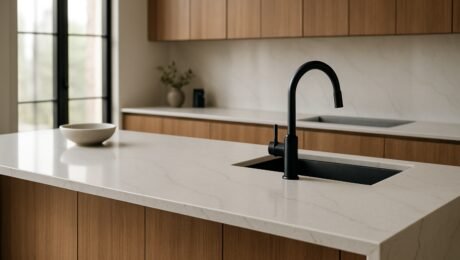
If you are comparing countertop materials and want a surface that looks refined, wears well, and suits everyday use, this guide explains how to select quartz stone for beautiful worktops. You will learn what really affects appearance, durability, maintenance, and value, so you can choose a slab that fits your kitchen or bathroom instead of relying on showroom lighting alone. The best choice is not just the prettiest sample; it is the quartz finish, color, pattern, thickness, and fabrication quality that work together in your space.
Key Takeaways
- Choose quartz based on lighting, cabinet tone, and room size, not just the sample chip.
- Check slab consistency, edge options, and finish quality before you order.
- Ask about stain resistance, heat limits, and certification details for peace of mind.
What should you look for first when choosing quartz stone?
Start with how the surface will look in your actual room. Quartz can read soft and subtle, bold and marble-like, or clean and contemporary depending on the veining, background color, and finish. Bring cabinet, backsplash, and flooring samples together so you can judge undertones in natural daylight and under your task lighting.
For a beautiful result, narrow your options by style before you compare technical details. If your space is compact or dark, lighter quartz with gentle movement can make the room feel larger. In a brighter kitchen, deeper tones or stronger veining can add contrast without feeling heavy.
How do you judge quality before buying?
High-quality quartz should look consistent across the slab, with a clean surface and a pattern that does not feel overly repetitive. Ask to see the full slab if possible, because a small sample may hide changes in veining or pigment distribution that become obvious across a large island. Inspect for pinholes, resin pooling, or dull patches, which can affect how the worktop reads once installed.
Thickness also matters. Common residential quartz worktops are often 2 cm or 3 cm, and the right choice depends on the look you want, the support available, and whether you prefer a slimmer modern profile or a more substantial countertop presence. Ask your fabricator how seams will be positioned, because seam placement can affect both the visual finish and long-term practicality.
What finish works best for everyday use?
Polished quartz gives a brighter, more reflective appearance and is often chosen for a crisp, high-end kitchen look. Honed or matte finishes feel softer and more understated, but they may show fingerprints or smudges differently depending on the color. Choose the finish that suits your lifestyle as well as your design style.
Which quartz details matter most in real homes?
One of the biggest advantages of quartz stone is that it is engineered for consistent performance, but not all products are identical. Confirm stain resistance, scratch resistance, and heat guidance with the supplier, especially if you cook often or plan to place appliances directly on the surface. Quartz is durable, but trivets and chopping boards are still smart habits for protecting the finish.
Pay attention to edge profile, because this affects both style and cleaning. A simple eased edge looks modern and is easy to maintain, while a bullnose or ogee edge feels more traditional. On busy worktops, clean lines usually age better visually and are easier to keep looking sharp.
How can you match quartz to the room for a more expensive look?
The most attractive quartz worktops usually balance contrast and restraint. In a room with strong cabinetry, choose a quartz tone that either quietly complements the wood grain or creates a deliberate contrast with the door fronts. Avoid patterns that compete with busy tiles or dramatic cabinet finishes, because too many focal points can make the room feel crowded.
Think about scale as well as color. Large islands often suit broader veining or more movement, while compact kitchens usually look cleaner with tighter, more uniform patterns. If you are selecting quartz for a bathroom vanity, a calmer slab pattern often feels more luxurious because the surrounding space is smaller and more reflective.
What evidence or standards should you ask about?
Ask the supplier for product documentation on composition, warranty terms, and any indoor-air or low-emission certification. This is especially helpful if your renovation prioritizes healthier materials or you want extra assurance about what is being installed in a home with limited ventilation. For example, UL Solutions’ GREENGUARD certification program is a recognized benchmark for low-emitting products and can help you compare options more confidently.
It also helps to ask where the slab is fabricated and who is installing it. Precision cutting, accurate templating, and proper support at cutouts matter just as much as the slab itself, especially around sinks, hobs, and overhangs. A premium-looking worktop comes from both the material and the craftsmanship behind it.
What is the smartest way to make the final choice?
Visit a showroom or stone yard with your room measurements, cabinet samples, and a clear idea of your lighting. Compare at least two or three slabs in person, then ask how each one will look after fabrication, not just as a sample. If possible, view the material at different times of day so you can see whether the color shifts warm, cool, or flat in your home.
The best quartz selection is the one that looks intentional from every angle: color that suits the room, pattern that supports the design, and a finish that fits how you live. If you want a beautiful worktop that still feels practical years later, choose with your actual space, daily routine, and installer’s advice in mind, then confirm the final slab before fabrication begins.
- Published in Worktops
How to Choose Quartz Stone for Beautiful Worktops

If you are wondering how to select quartz stone for beautiful worktops, focus on the details that shape the final room: slab pattern, finish, thickness, edge profile, and how the surface will look next to your cabinets and lighting. This guide shows you how to compare quartz samples, spot quality differences, and choose a style that stays attractive after everyday use. You will also learn which practical specs matter most, when to ask for a full slab view, and why fabrication quality affects both appearance and safety.
Key Takeaways
- Choose quartz based on the full slab, not a small sample.
- Match color, veining, and finish to your cabinets, flooring, and light.
- Prioritise thickness, seam placement, and fabrication quality for a premium result.
- Ask how the installer handles quartz cutting dust and on-site finishing.
What should you check first when choosing quartz stone for a worktop?
Start with the room itself, not the showroom display. A quartz surface can look crisp and modern in one kitchen and overly cool in another, depending on natural light, cabinet colour, and backsplash tone. Bring cabinet samples, floor samples, and paint swatches so you can judge the stone in context.
Then think about use. If the worktop will see heavy cooking, children’s homework, and daily meal prep, aim for a quartz finish and colour that hides crumbs, fingerprints, and light wear. Busy kitchens often look best with soft veining, warm neutrals, or mid-tone patterns rather than a stark, uniform white.
How do color, veining, and finish change the final look?
Quartz stone is available in everything from minimalist solid colours to marble-look slabs with dramatic veining. A subtle pattern usually feels calmer and more timeless, while strong veining becomes the room’s focal point. If your cabinets already have a lot of visual texture, a quieter quartz surface often creates a better balance.
Finish matters just as much. Polished quartz reflects more light and gives a sharper, more refined look, while honed or matte finishes feel softer and more understated. Textured finishes can reduce glare, but they may also change how the colour reads across the room, so always view them in your actual lighting.
Which quartz details matter most for durability and maintenance?
Look beyond style and ask for the specification sheet. Thickness, slab size, and edge options all affect the finished appearance, especially on large islands and waterfall panels. A thicker look can feel more substantial, but a skilled fabricator can also create a high-end result with slimmer material if the support and detailing are right.
For daily care, quartz is popular because it is low-maintenance and does not need the same routine sealing as many natural stones. Even so, it is not indestructible. Use trivets for hot pans, cutting boards for prep, and coasters where needed, because long-term beauty depends on how the surface is treated.
How can you judge slab quality before you buy?
Look at the whole slab, not just a sample
Small samples can hide abrupt changes in veining, blotchiness, or colour movement. Ask to inspect the full slab, or at least a large section, so you can see how the pattern flows across the surface. This is especially important for islands, booksmatched designs, and long runs with visible seams.
Compare tone in daylight and warm indoor light
Quartz that looks bright white under showroom spotlights may read colder at home. View the slab in natural daylight and under the same warm LEDs or pendants you plan to use in the kitchen. If possible, stand back several metres; beautiful worktops should look good from across the room, not just at arm’s length.
What should you ask your installer before ordering?
Fabrication quality can make or break the final result. Ask where the seams will sit, how the sink cut-out will be finished, and whether the edge profile will be eased, square, or more decorative. The cleanest quartz worktops usually come from careful templating and a restrained design, not from choosing the most elaborate edge.
It is also worth asking how the team manages cutting and polishing on site. Quartz fabrication can release respirable crystalline silica dust, so installers should use proper controls and safe work practices. If you want a trusted reference point, review NIOSH guidance on respirable crystalline silica in stone fabrication and ask your supplier how they follow similar safety measures.
What choices make quartz worktops look more expensive?
Luxury usually comes from consistency and proportion. A well-matched seam, a calm veining direction, and a finish that suits the cabinet style will do more for the final look than a dramatic pattern alone. In contemporary kitchens, a simple eased edge and a carefully aligned waterfall detail often feel more premium than a highly ornate profile.
If you want the safest route, narrow your shortlist to three slabs, compare them in your kitchen lighting, and choose the one that feels most balanced with the room rather than the one that looks strongest in isolation. That final check is the easiest way to select quartz stone for beautiful worktops that still feel right after installation.
- Published in Worktops
How to Select Quartz Stone for Beautiful Worktops

If you’re researching how to select quartz stone for beautiful worktops, this guide shows how to compare colour, veining, finish, thickness, and supplier quality so you can choose a surface that looks elegant in daylight and performs well in daily use. Quartz is popular because it combines a refined, stone-like appearance with low porosity and easy care, but the best result depends on matching the slab to your room, lighting, and budget. The right choice is less about choosing the prettiest sample and more about selecting a consistent slab, a suitable finish, and a fabricator who understands how the material will be cut, joined, and installed.
Key Takeaways
- Choose the slab in person, under the same lighting your kitchen gets at home.
- Look beyond colour: edge profile, finish, pattern repeat, and slab consistency all affect the final look.
- Ask for written details on thickness, warranty, maintenance, and fabrication standards before ordering.
- Use a qualified fabricator, especially for cutting and installation, to protect both the finish and indoor air safety.
What should you prioritise first when choosing quartz stone?
Start with how you want the worktop to feel in the room. A bright white quartz with subtle speckling suits clean, contemporary kitchens, while soft greys, warm taupes, and marble-look veining can make a space feel calmer and more architectural. If you have bold cabinet colours, a quieter slab usually creates better balance; if the room is simple, a stronger pattern can become the focal point.
Think about practical use at the same time. Quartz is engineered stone made from crushed quartz and resin, so it offers consistent colour and is typically non-porous, which helps with staining and everyday cleaning. That makes it a strong option for busy family kitchens, islands, and open-plan spaces where the worktop is always visible.
Which surface details make quartz worktops look more expensive?
The finish matters as much as the colour. Polished quartz reflects more light and sharpens veining, which works well in compact kitchens or darker rooms. Honed and leathered finishes soften the look, reduce shine, and can make a slab feel more natural, but they may show fingerprints or marks differently depending on the brand.
Pay attention to pattern scale. Fine veining can read as elegant from a distance, but larger flows and dramatic movement may look busier on long islands. Ask to see the full slab rather than a small sample, because quartz pattern repetition is easier to spot when you view the complete surface.
Match the slab to the cabinet and floor undertones
White quartz with blue undertones can clash with warm oak or cream cabinetry. Likewise, beige or greige quartz may look muddy beside very cool white cabinets. Hold samples against cabinet doors, flooring, and splashback materials so you can judge the full palette together.
What technical details separate premium slabs from average ones?
Thickness is one of the first specs to check. Many quartz worktops are supplied in standard thicknesses, and the right choice depends on the look you want, the cabinet structure, and whether you prefer a slim, minimalist edge or a fuller, more substantial profile. A good fabricator can also create the illusion of thickness with mitred edges if you want a heavier appearance without unnecessary weight.
Ask about the warranty, chip resistance, UV performance, and whether the finish is suitable for your room. If your kitchen gets strong sunlight, check how the colour behaves over time, especially for pale whites and darker tones that can show variation more easily. For households that cook often, remember that hot pans, sharp knives, and heavy impacts can still damage any worktop, even one as durable as quartz.
How do you judge a supplier before you buy?
Request two things: a full-size slab viewing and a written specification sheet. A trustworthy supplier should tell you where the quartz is made, what the warranty covers, and how the product should be cleaned and maintained. They should also be clear about lead times, templating, and installation.
Fabrication quality is especially important because quartz dust created during cutting and grinding is hazardous if managed poorly. That is why experienced installers use proper controls and follow safety guidance from authorities such as OSHA’s crystalline silica guidance. Good workmanship affects not only safety, but also seam placement, sink cut-outs, and how seamless the finished worktop appears.
What should you ask before placing the order?
Before you commit, ask to see the exact slab number, not just a colour name. Manufacturing batches can vary in veining, brightness, and movement, so slab approval helps avoid surprises. Confirm whether you need one slab or multiple slabs, especially for large islands or waterfall ends where pattern matching matters.
Also ask how the edges will be finished. A simple straight edge gives a crisp modern look, while a softened pencil edge is easier to live with in family homes. If you want a premium result, check whether the sink, hob, and drainer positions have been planned with enough support and visually balanced joins.
For most homeowners, the best approach is simple: choose a quartz stone that works with your light, your cabinetry, and your daily routine, then insist on a reputable supplier and installer. Take home large samples, view them in daylight and evening light, and compare them against the actual room before you sign off the slab.
- Published in Worktops
How to Select Quartz Stone for Beautiful Worktops

Choosing quartz stone is easier when you focus on the finished room, not just the slab in the showroom. If you want to know how to select quartz stone for beautiful worktops, this guide shows you what to compare before you buy: colour depth, veining, finish, thickness, edge options, seam planning, and day-to-day upkeep. The right choice should look natural in your kitchen and still handle spills, traffic, and cleaning with minimal fuss.
Key Takeaways
- Always inspect a full slab or large sample in real lighting before ordering.
- Choose thickness, finish, and edge detail to match both style and use.
- Ask about fabrication quality, seam placement, and heat protection before installation.
What should you inspect before you fall in love with the colour?
Start with the slab itself, not a tiny sample. Quartz can look very different once pattern movement, resin clarity, and reflective polish appear across a full worktop, especially under daylight and under-cabinet lighting. If possible, view the slab in person and compare it with your cabinet finish, splashback, and flooring.
Look closely at the tone. Some whites lean warm, others cool or grey, and that undertone will influence the whole kitchen. If you want a calm, timeless result, choose a quartz pattern with soft contrast and restrained veining rather than a busy design that may dominate the space.
Which quartz features matter most for a worktop that lasts?
Thickness, finish, and fabrication details matter as much as colour. Common quartz slab thicknesses are 20mm and 30mm, and the choice affects both the visual profile and the sense of weight. A slimmer edge feels sleek and modern, while a thicker profile can read more substantial and traditional.
Is 20mm or 30mm better?
Choose 20mm if you want a lighter-looking kitchen, a contemporary edge, or a design where the worktop should stay visually quiet. Choose 30mm if you want a bolder, more grounded appearance or a deeper edge detail. The best option is the one that matches your cabinet style, appliance lines, and overall budget, because the more complex the fabrication, the more important the installer’s skill becomes.
Finish also changes performance and appearance. Polished quartz reflects more light and makes colours look sharper, while honed or matte surfaces feel softer and more architectural. Quartz is non-porous, which helps with routine cleaning, but it is still sensible to use trivets for very hot pans and avoid harsh chemicals that can dull the surface over time.
How do you match quartz to cabinets, flooring, and lighting?
Beautiful worktops do not rely on a single feature; they balance the room. If your cabinets are warm oak or beige, a quartz with cream, taupe, or gentle gold veining often feels cohesive. If your kitchen is handleless, monochrome, or minimalist, a cooler white or greige quartz can keep the look crisp.
Consider how light moves through the room. A polished quartz surface can brighten a darker kitchen, but too much reflectivity in a sun-filled space may feel busy. For large islands, broader veining or subtle linear movement can create a statement; for smaller rooms, fine-grain quartz usually looks cleaner and more spacious.
What supplier questions reveal real quality?
Ask to see the exact slab or a large section of it, not only a brochure sample. Request a written specification that confirms thickness, finish, and any factory-applied treatment, and ask how seams will be placed around sinks, corners, and cooktops. Good suppliers also talk openly about templating, support requirements, and edge options before you commit.
Fabrication matters too: the CDC/NIOSH notes that cutting and finishing engineered stone can release respirable crystalline silica, so ask whether your fabricator uses wet-cutting and extraction systems; see the NIOSH guidance on controlling respirable crystalline silica during stone fabrication.
What should a good installation plan include?
A strong plan covers seam visibility, sink cut-outs, overhang support, and backsplash alignment. Ask how the fabricator will reduce visible joins in the most exposed areas, especially on long islands or waterfall ends. Small decisions here make a major difference to the final result.
What does a smart quartz choice look like in practice?
For a compact kitchen, a soft-white quartz with subtle veining keeps the room bright without visual noise. In a larger space, a darker quartz with linear movement can anchor an island and disguise everyday marks better. Designers often pair high-contrast quartz with simple cabinet fronts so the stone stays the focal point rather than competing with busy joinery.
Think about maintenance in the same way you think about style. If your household cooks daily, a forgiving pattern and a finish that does not show every crumb will feel better than a dramatic stone that demands constant wiping. If the kitchen is more of a showpiece, you can prioritise visual impact and choose a bolder slab with stronger movement.
Before you order, compare at least two full slabs in your own lighting, confirm seam locations on the template, and ask for a sample edge profile. That final check prevents most disappointment and helps you choose quartz stone that looks intentional, not just expensive.
- Published in Worktops